
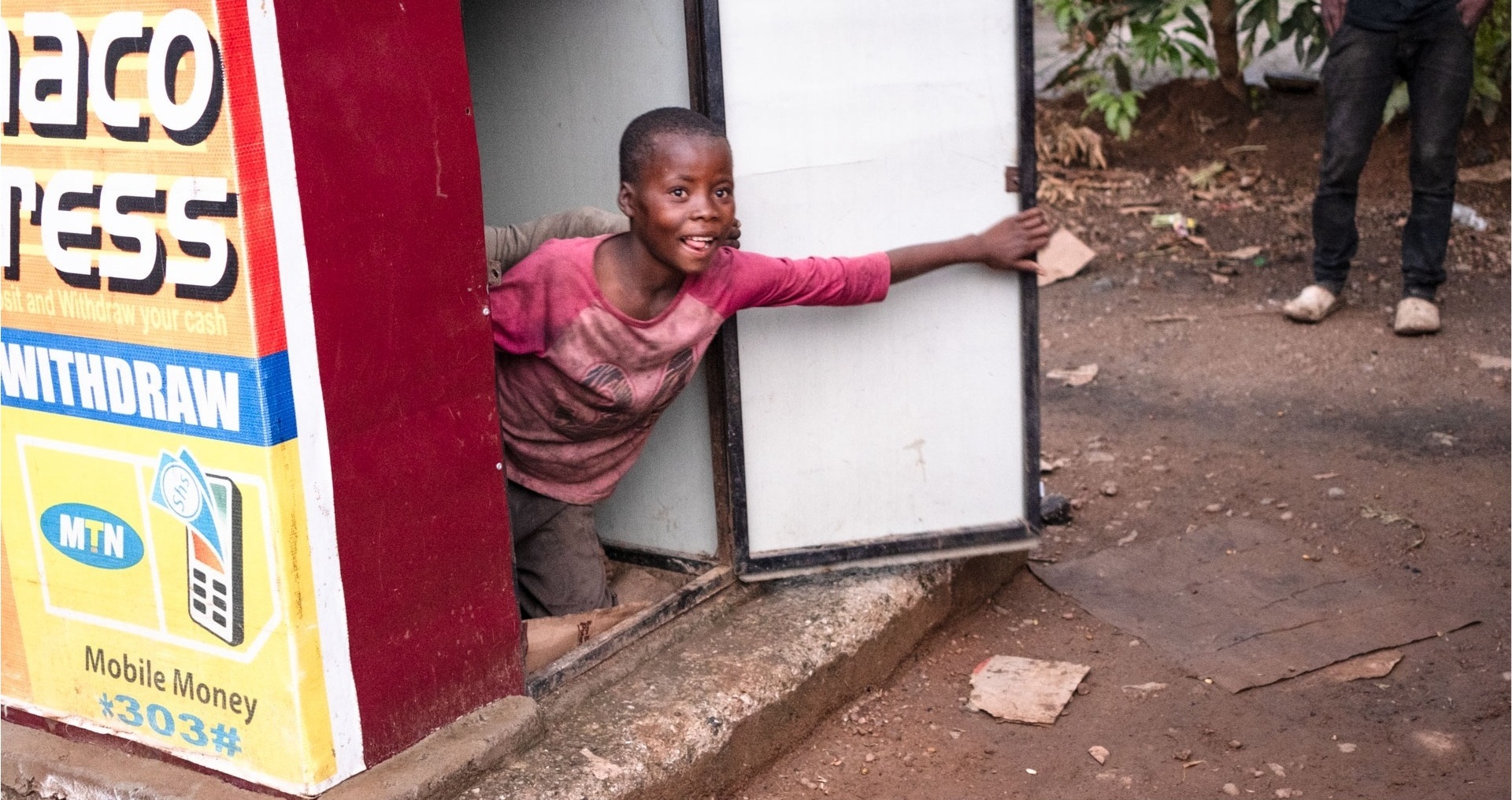
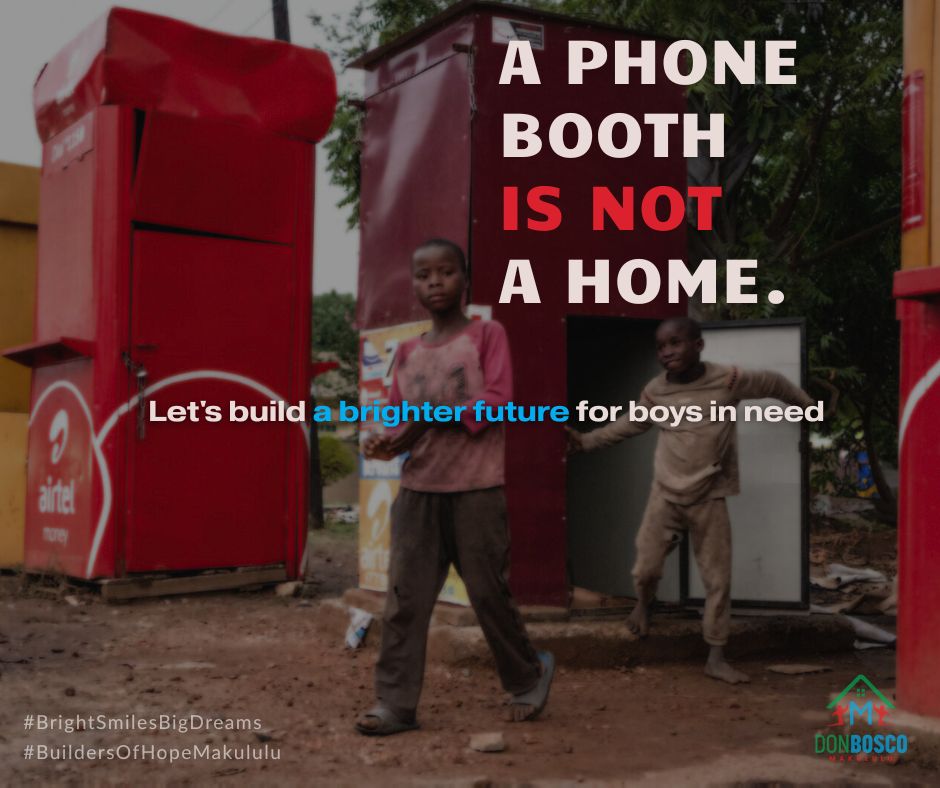
Before the streets fill with traffic, before markets come alive and classrooms open their doors, thousands of children in Zambia are already awake — not in their own beds, but wherever they managed to find a spot to rest. A shop doorway. A corridor behind a market stall. A phonebooth that offers a few hours of shelter from the cold night air.
For these young people, life on the streets is a constant negotiation with hunger, harsh weather, and the dangers that come with being unprotected. Every day demands courage. Every night requires survival. And yet, beneath this daily struggle lies a quiet, powerful longing: the hope for safety, stability, and a future that extends beyond the next meal or the next sunrise.
A crisis hidden in plain sight
When we speak about “street-connected children,” it can sound abstract — but the scale is real. A national study estimates that around 13,500 children in Zambia live part- or full-time on the streets (Better Care Network).
UNICEF reports that the number of children connected to the streets has more than doubled since the early 1990s, rising from 35,000 to about 75,000 (UNICEF Situation Analysis 2021).
In Lusaka alone, an estimated 2,000 children spend their days in public spaces, most of them boys.
These aren’t just statistics — they are thousands of individual stories of separation, resilience, and the search for belonging.
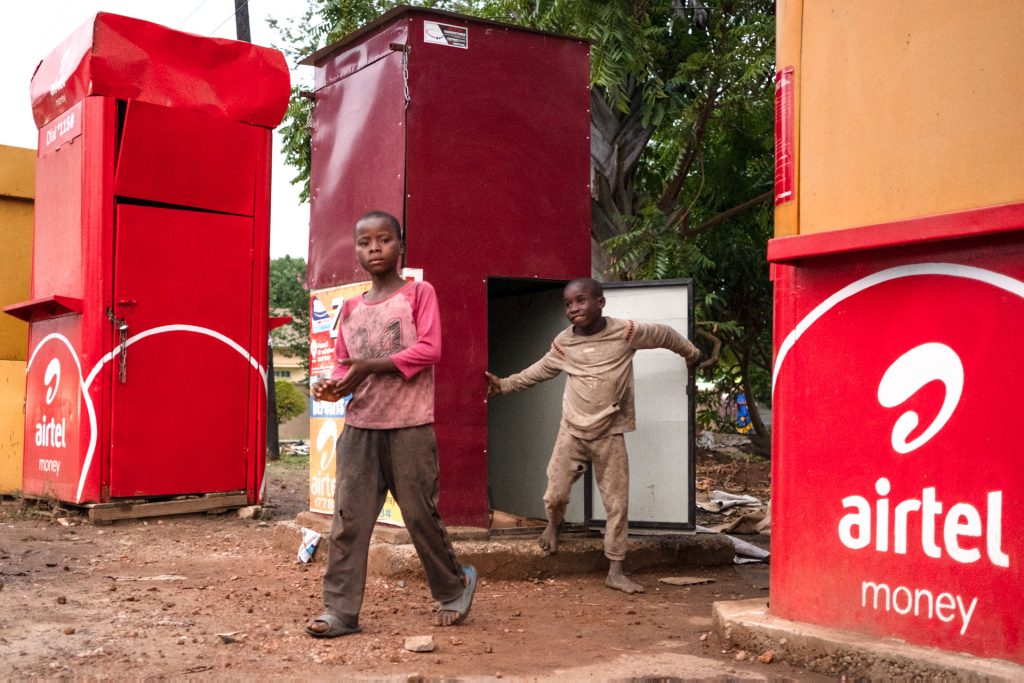
Why do children end up on the streets?
For most, the streets are not a choice but a consequence. Poverty sits at the center. A parliamentary report notes that 72% of rural residents and 35% of urban residents in Zambia live in extreme poverty (National Assembly Report).
But poverty is rarely the only cause. Children arrive on the streets after:
- losing parents (often to HIV/AIDS),
- escaping violence at home,
- family breakdown,
- inability to afford school, food, or healthcare,
- or simply having no safe adult to rely on.
In many cases, the street becomes the only perceived option — not because it offers opportunity, but because every other door has closed.
The risks they face
Without adults to guide or protect them, children face threats that most of us never encounter. Many report theft, assault, exploitation, and pressure to engage in illegal activities.
Life on the streets exposes children to dangers no young person should ever have to confront. Many report experiences of theft, assault, or being coerced into activities against their will, leaving deep emotional and physical scars (Better Care Network).
Equally alarming, more than half of the children interviewed did not know what HIV/AIDS is, underscoring how far removed they are from even the most basic health information (Better Care Network).
Nearly 47% said they had no trusted adult or place to turn to in moments of crisis — a level of isolation that intensifies their vulnerability and makes recovery even more difficult (Better Care Network).
Substances like glue or alcohol often become survival tools — dangerous, accessible ways to numb fear, trauma, and hunger.
Where hope begins
And yet, in the middle of all this, there are signs of extraordinary resilience. Children build informal communities. They look after one another in small ways. They dream, even when dreaming feels unsafe.
This is where organizations like Don Bosco Makululu step in — not as saviors, but as partners walking alongside children who have been carrying too much alone.


How Don Bosco Makululu responds
Our work begins by recognising every child as a person with dignity and potential. While the data shows the scale of the crisis, transformation happens through relationship, safety, and steady care.
Our approach includes:
- safe shelter and nutritious meals,
- psychosocial support and addiction recovery,
- education and life-skills training,
- sports, routines, and creative activities to restore childhood,
- family reintegration and vocational training.
Like partner organizations across Zambia — including CELIM, which notes that 85% of street-connected children are boys — we focus not just on crisis response, but on long-term stability and reintegration.
Hope is stronger than hardship
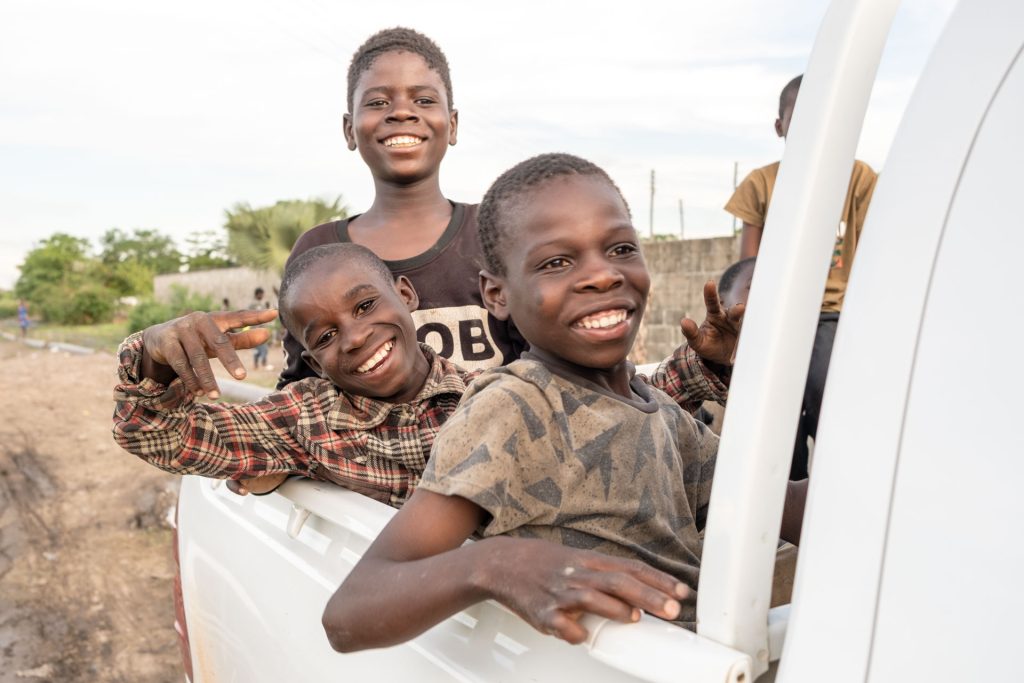
Street life is brutal, but the human spirit is stronger. We see it every day in the boys who take their first steps toward trust, learning, or sobriety. We see it in their laughter returning, in friendships forming, in the quiet pride of completing schoolwork or building something with their own hands.
With your support, Don Bosco Makululu continues to turn risk into resilience, fear into safety, and survival into a future.
Every friend, donor, volunteer, and partner plays a part in this transformation. Together, we are proving that change is not only possible — it is happening every day.
Join us in making sure no child grows up alone on the streets.
References
- Report on Survey and Analysis of the Situation of Street Children in Zambia (Better Care Network) — estimates on street-connected children, risk factors, and life circumstances. Better Care Network
- UNICEF, 2021 Situation Analysis of the Status and Well-being of Children in Zambia — data on street-connected children and their drivers. UNICEF
- Report of the Committee on Sport, Youth and Child Matters, National Assembly of Zambia — data on poverty rates and street children. Parliament of Zambia
